Last Updated:
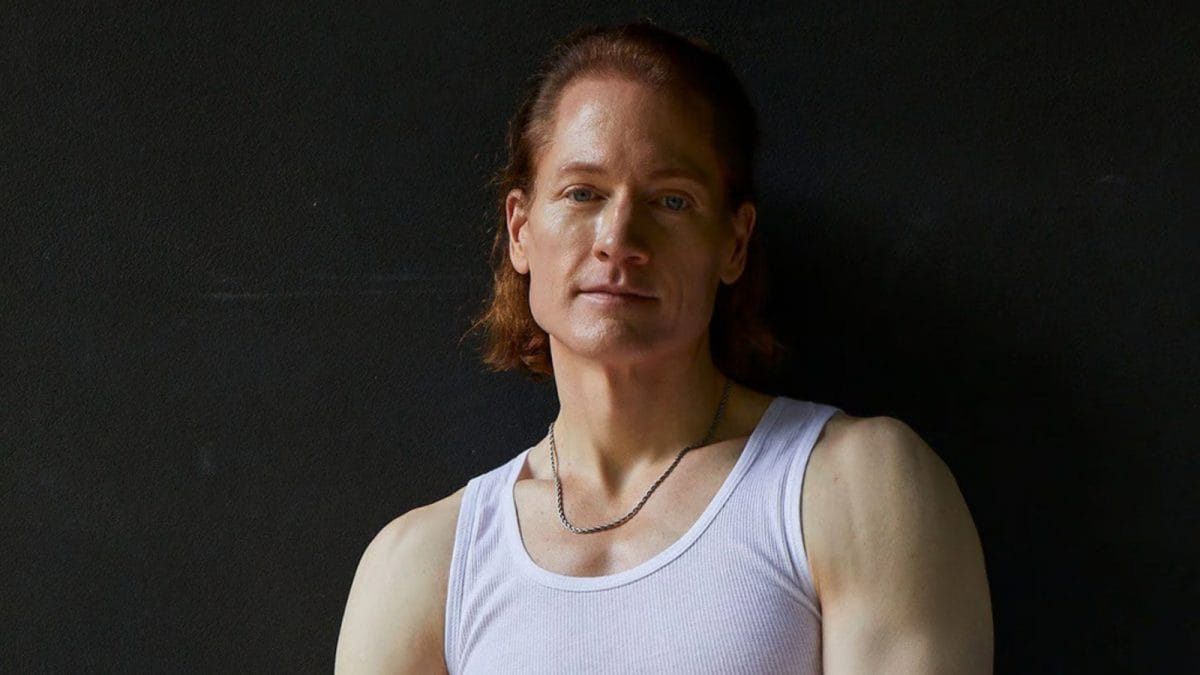
Bryan Johnson, a tech entrepreneur and biohacker, is widely known for his pioneering efforts in longevity and age reversal.
While reversing organ ageing remains unproven, certain interventions have shown potential in improving organ function and restoring a more youthful state.
Bryan Johnson, a tech entrepreneur, investor and biohacker, is widely recognised for his groundbreaking work in longevity and age reversal. He founded Kernel, a neurotechnology firm focused on brain-computer interfaces, and Blueprint, a project dedicated to optimizing biological health and extending lifespan. Committed to pushing the boundaries of anti-ageing science, Johnson has invested millions in research, experimenting with advanced therapies, rigorous diet and exercise protocols and medical interventions. His unconventional methods have sparked both intrigue and debate within the scientific and wellness communities.
Recently, Johnson shared insights on the Realign podcast and discussed the potential to reverse the biological ageing of individual organs. He explained that, while his chronological age is 47, different parts of his body age at varying rates. For example, he claimed his heart functions like that of a 37-year-old, his diaphragm and liver are comparable to those of an 18-year-old and his left ear has aged to 64. Johnson emphasised that understanding the baseline age of each organ allows for targeted strategies to slow or even reverse their ageing process, raising the possibility of making organs biologically younger through precise interventions.
Do different organs age at different rates?
Experts confirm that various organs do not age uniformly, with genetics, lifestyle, environmental factors and organ-specific wear-and-tear all playing a role. Speaking to The Indian Express, Dr Palleti Siva Karthik Reddy, a consultant in internal medicine at Koshys Hospitals, explained that the cardiovascular system, for example, is influenced by factors like diet, exercise and stress, which contribute to arterial stiffening over time. Similarly, the lungs may deteriorate faster due to smoking, pollution, or inactivity, though regular exercise can help maintain their function.
The liver, despite its natural ability to regenerate, can suffer chronic damage from alcohol consumption, obesity, or exposure to toxins, potentially leading to conditions like fatty liver disease or cirrhosis. Cognitive decline in the brain is influenced by genetics, oxidative stress and lifestyle choices, but mental stimulation and a balanced diet can help slow the process.
Dr. Reddy also noted that muscles and bones naturally experience age-related deterioration, such as muscle loss (sarcopenia) and reduced bone density (osteoporosis), though strength training and proper nutrition can mitigate these effects. Ultimately, each organ’s ageing trajectory is shaped by its cellular makeup, metabolic activity and exposure to external stressors.
Can the biological age of organs be reversed?
According to The Indian Express, while fully reversing organ ageing remains unproven, studies indicate that specific interventions can enhance organ function, making them behave in a more youthful manner. Dr Reddy outlined several key approaches that may help slow down or even partially reverse the ageing process:
1. Dietary Adjustments: Caloric restriction and intermittent fasting have been associated with improved mitochondrial function and reduced oxidative stress. This may slow ageing in organs like the heart and liver.
2. Physical Activity: Regular aerobic and resistance training has been linked to enhanced cardiovascular health, better lung capacity and delayed muscle deterioration.
3. Emerging Anti-Aging Therapies: Experimental approaches, such as senolytic drugs targeting ageing cells, gene therapy aimed at telomere extension and mitochondrial repair, and stem cell treatments for tissue regeneration, show potential in slowing or reversing organ-specific ageing.
In addition to these strategies, several other factors can contribute to slowing down the ageing process:
1. Quality Sleep: Prioritising deep, restful sleep helps regulate hormones, strengthen the immune system and support cognitive function, all essential for longevity.
2. Stress Reduction: Engageing in mindfulness practices, meditation and breathing exercises can help manage cortisol levels, minimising the harmful effects of chronic stress on ageing.
3. Hormonal Regulation: Keeping hormones like testosterone, estrogen and growth hormone in balance can promote overall well-being, energy levels and vitality.
4. Cognitive Stimulation: Challenging the brain with puzzles, strategy games and problem-solving activities helps maintain mental sharpness and slow cognitive decline.