Flex PCBs Handle Aging and Degradation
Printed circuit boards (PCBs) are essential components for many electronic devices. They are used in computers to enable currents to travel from one point to another and in keyboards to translate pressed keys into electrical signals that transmit data. However, these products are not without their challenges and must be built to withstand a wide variety of environmental conditions. In these environments, flex PCBs have become an important solution. They have the ability to conform to a variety of shapes and sizes, while also resisting shock, vibration, and temperature extremes. They are a critical technology in consumer electronics and in medical and aerospace industries where space is limited.
The material that a rigid-flex PCB is made from can significantly impact its performance. Manufacturers use a number of different materials to build these circuits, each with their own unique properties. Some of the most common rigid flex PCB materials include FR-4 and polyimide. Each has its own set of advantages and disadvantages depending on the application and environmental conditions.
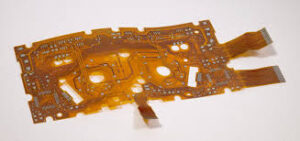
A flex pcbs performance can be improved by using the appropriate copper foil thickness and an etching process that allows for the design of circuit traces. These traces are then connected to each other through holes called vias. A flexible-PCB can also be enhanced by applying a stiffener to the rigid section, which helps to ensure that the circuit traces remain aligned.
How Do Flex PCBs Handle Aging and Degradation?
Whether a flex-PCB is static or dynamic, its lifespan can be dramatically increased by choosing a durable material. This will increase the number of bends that the circuit can withstand and help to reduce signal degradation caused by mechanical changes in the substrate material. It is also important to select the correct prepreg bonding material, which should be no-flow. This is the best option for joining a flex-PCB with a rigid board and is available in standard FR-4 or Dupont material.
Rigid flex circuits are typically built using a thicker copper layer than traditional PCBs. This is because the stiffener can cause a break in the conductors between the rigid and flex sections of the board, which can lead to signal degradation and impedance mismatches. Signal integrity is a vital component of any circuit board, and it is especially important for flex-PCBs.
Clearly defining rigid and flex areas, as well as the minimum allowed bend radius, early in the design stage will allow you to optimize your flex-PCB for its specific environment. This will reduce stress in the substrate, extending its lifespan and making it more resilient to environmental conditions. It will also ensure that the PCB can be fabricated using a manufacturing method that suits its requirements, such as a cold-flex or hot-flex technique. To achieve this, it is critical to use a software package that offers advanced design features and automated fabrication drawings. These tools, such as those found in Altium Designer, can make it easy to create a high-quality flex-PCB that will be able to withstand harsh environmental conditions.