flexible circuit boards reduce assembly costs
Flexible circuit boards have become increasingly popular in modern electronics, primarily due to their ability to reduce assembly costs significantly. The integration of flexible circuits into electronic designs can streamline the manufacturing process, lower material expenses, and improve efficiency, all of which contribute to overall cost savings. One of the most notable advantages of flexible circuit boards is their ability to combine multiple components and functionalities into a single, lightweight unit. This integration reduces the need for additional components such as connectors, wires, and other assembly elements that would typically be required in traditional rigid circuit boards. By eliminating these additional parts, manufacturers can decrease both material costs and the time required for assembly.
The compact design of flexible circuit boards also allows for a more efficient use of space within electronic devices. Unlike rigid boards that may require more substantial enclosures or additional support structures, flexible circuits can be bent, twisted, and molded to fit within tight spaces. This adaptability not only simplifies the overall design but also minimizes the need for bulky casings, which can lead to additional manufacturing costs. As a result, devices utilizing flexible circuit boards can be made smaller and lighter, further enhancing their marketability while reducing material expenses associated with packaging and enclosures.
Another key aspect of flexible circuit boards that contributes to cost savings is their potential for automated assembly processes. The design of flexible circuits often allows for more straightforward integration into automated manufacturing lines, where robots and machines can efficiently handle the assembly of components. By reducing the reliance on manual labor for assembly, manufacturers can lower labor costs and minimize the risk of human error, which can lead to defects and rework. This shift toward automation can significantly enhance production speed and efficiency, allowing companies to meet growing market demands without incurring additional expenses.
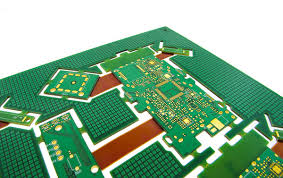
How do flexible circuit boards reduce assembly costs?
Moreover, the use of flexible circuit board can also reduce the risk of damage during the assembly process. Rigid boards are often more susceptible to cracking or breaking during handling and assembly, leading to potential waste and increased costs. In contrast, flexible circuit boards can endure bending and flexing without compromising their integrity, which makes them less likely to sustain damage. This durability can result in lower defect rates and decreased material waste, further contributing to overall cost savings.
Flexible circuit boards also enable manufacturers to simplify their supply chains. With traditional rigid circuit boards, multiple suppliers may be needed to source different components and materials. In contrast, flexible circuits can integrate various functionalities—such as sensors, connectors, and circuitry—into a single board, which reduces the number of suppliers and simplifies inventory management. This consolidation can lead to better pricing from suppliers, streamlined logistics, and reduced lead times, all of which can contribute to overall assembly cost reductions.
Additionally, the lifecycle of flexible circuit boards can lead to further cost efficiencies. These boards tend to be more reliable and have longer lifespans than their rigid counterparts, meaning that devices incorporating flexible circuits may require less frequent repairs or replacements. This durability not only enhances customer satisfaction but also reduces the costs associated with warranty claims and product returns, allowing manufacturers to allocate resources more effectively.
In summary, flexible circuit boards offer numerous advantages that contribute to reduced assembly costs in electronic manufacturing. Their ability to integrate multiple functions into a single unit, along with their adaptability to compact spaces, significantly decreases material and assembly costs. The potential for automated manufacturing processes, along with reduced risk of damage and simplified supply chains, further enhances the cost-effectiveness of using flexible circuits. As technology advances and the demand for more efficient, compact electronic devices continues to grow, the cost-saving benefits of flexible circuit boards will remain a crucial factor in their widespread adoption across various industries.