Flexible Printed Circuit Board Manufacturers
Printed circuit boards (PCBs) are power-consuming electronic components that are designed for specific applications and environments. Therefore, they require different tests than other consumer-electronic products. This is particularly true for flex PCBA modules, which are often used in environments with high temperatures and moisture levels. For this reason, they are tested with a series of quality assurance and bend testing procedures.
These testing methods are crucial for ensuring the performance and reliability of a flex or rigid-flex PCB. They can help you identify a range of defects, such as shorts, soldering problems, and improper connections. They can also improve the quality of a finished product.
Visual inspection is a common testing method, but it can have limitations. Human inspectors require heightened visual acuity to detect defects and may be prone to fatigue or miss small details. This method is not as accurate as a functional test, which can detect digital and analog signals and determine whether the board operates normally.
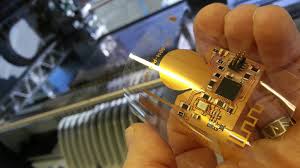
Testing Methods for Flexible Printed Circuit Board Manufacturers
Electrical testing is a crucial step in the flexible printed circuit manufacturers, and it involves applying a range of voltage signals to assess a circuit board’s function. The goal of this test is to detect any anomalies that can compromise the integrity of a PCB and reduce its overall durability and longevity.
This test is conducted with a time-domain reflectometer (TDR) instrument, which sends a rapid step signal to the circuit board or coupon and measures its response. The results of the test are displayed on a graph and can identify issues such as impedance, which is an indication of how well a PCB is functioning.
In-circuit test (ICT) is a popular testing method for PCBs and is performed on the component level. This technique uses fixed probes arranged in a pattern that matches the design of the PCB. The ICT tester presses the circuit board against the probes to start the test. The board has access points predesigned in it to connect the ICT testing probes, which are then allowed to exert a certain amount of pressure on the connection to ensure that it remains intact.
Flying probe testing is an enhanced form of ICT that can be faster and more cost-effective for a larger test coverage area. It can detect a wide range of defects, including shorts, transistor orientation, and diode problems. It can also measure a variety of properties, such as resistance, capacitance, and inductance.
In addition to these testing methods, a flex or rigid-flex PCBA module may be subjected to a variety of environmental tests. These tests can include bridge testing, fuse fusing testing, and a salt spray test. The purpose of these tests is to verify that the flex or rigid-flex PCBA module can function reliably in a variety of conditions and environments. In addition, they can provide data that can help you make design changes to your flex or rigid-flex PCB assembly. This can improve its durability and reliability in different applications, which ultimately increases customer satisfaction.